Leak Detection in Brixton Hill
Hidden leaks traced fast across Brixton Hill homes and businesses with clear next steps.
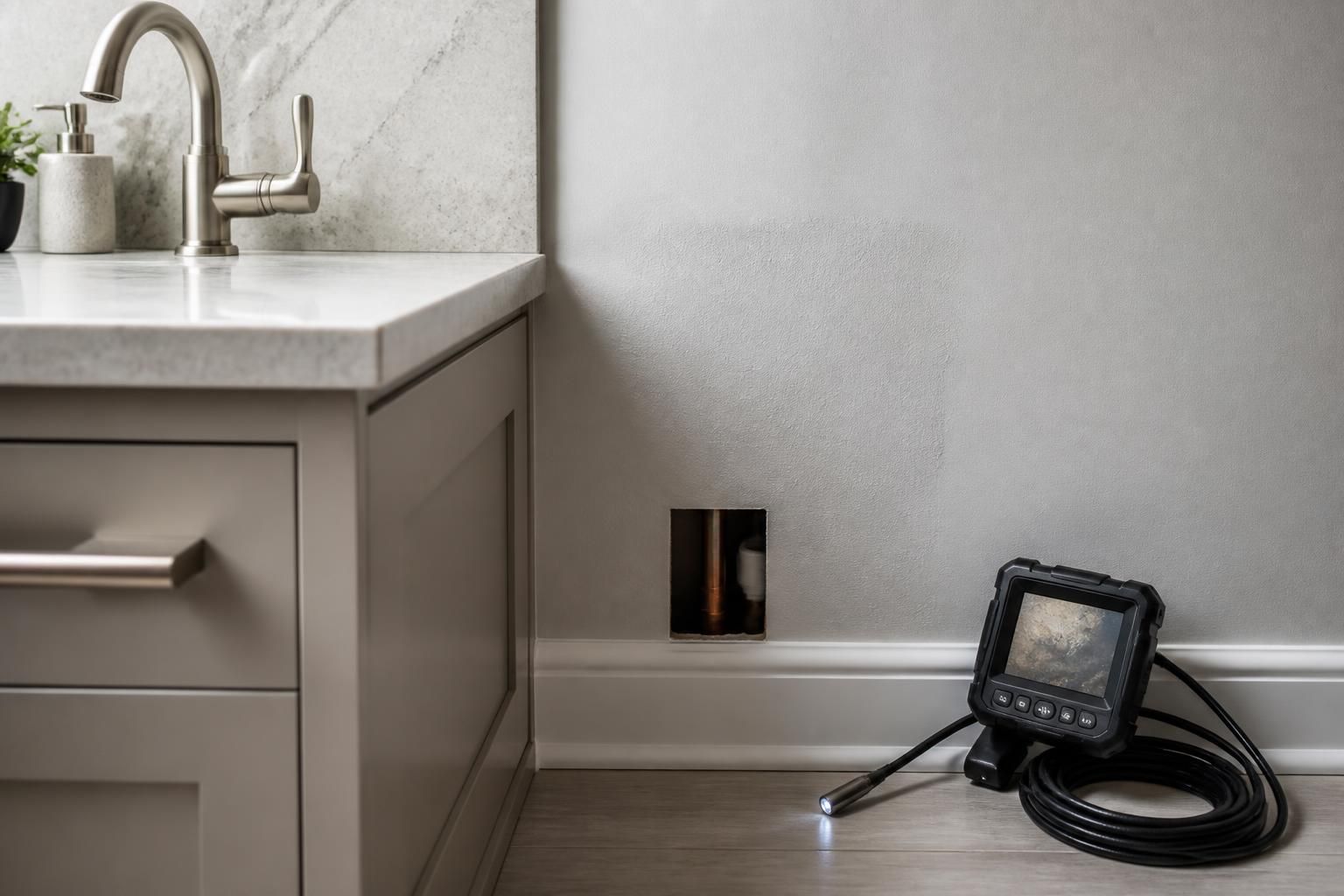
Hidden leaks traced fast across Brixton Hill homes and businesses with clear next steps.
A damp patch on the wall, a ceiling stain that keeps spreading, or a water meter that still moves when everything is off can point to a leak you cannot see. Small leaks often hide behind tiles, under floors, or inside walls until the signs become hard to ignore.
Gas & Plumbing Gurus LTD helps property owners across Brixton Hill track down the source, understand what is happening, and take the right next step before more damage builds up.
Not every leak starts with a puddle. Many begin with subtle changes that seem easy to dismiss at first. If you notice any of the signs below, it is worth having the problem checked sooner rather than later.
Some leaks are obvious, such as a visible drip under a sink. Others are hidden and only show themselves through damage. If you are unsure, that is exactly the point to get it looked at.
Leak detection is about narrowing the source without tearing the property apart unnecessarily. We start by listening to what you have noticed, then we inspect the likely areas and follow the evidence from there.
We look at where the staining appears, how quickly it is spreading, and whether the problem changes when taps, heating, or other fixtures are used. Those details help separate supply leaks from waste or drainage problems.
Once we have a clear starting point, we check the most likely lines, fittings, and fixtures. That may include visible pipework, bathroom areas, kitchen connections, and places where water tends to travel before it shows on the surface.
Our goal is to identify the point where the leak begins, not just the place where water becomes visible. That helps reduce guesswork and gives you a clearer path to repair.
Different parts of a property can leak for different reasons. Some problems are small fitting failures, while others come from wear, movement, or pressure on pipework over time.
Because water travels, the damaged area you see is not always the place where the fault started. That is why a careful trace matters.
Leak detection is useful for more than one type of property. A homeowner may be dealing with a stain above a bathroom or kitchen, while a landlord may need a clear answer before a small fault becomes a larger repair issue. Business premises can also suffer from hidden leaks that interrupt day-to-day use and cause avoidable damage.
Gas & Plumbing Gurus LTD works across Brixton Hill and the surrounding South London area, helping property owners get a clear picture of the problem. Whether the leak is affecting one room or several, we focus on tracing it carefully so you can make informed decisions about the repair.
Leak detection is often the step that comes before any fix. Once the source is identified, the repair can be planned with far less uncertainty.
If staining is growing, plaster is breaking down, or flooring is showing signs of moisture, tracing the source quickly can help limit further harm to the property.
When we arrive, we begin with the visible symptoms and work back from there. A good leak visit is calm, methodical, and focused on the facts already available at the property.
That approach keeps the process straightforward. You get a clear answer rather than a guess based on surface damage alone.
Some of the hardest leaks to spot are the ones that stay out of sight. A floor may feel different underfoot, boards may start to move, or a room may smell damp without showing a clear wet patch. Those clues often point to water travelling under the surface.
If a leak is below flooring or behind finished walls, the visible damage can appear some distance away. That is why it helps to act when the first signs show up, even if they still seem minor.
Watch for changes such as swelling timber, soft plaster, isolated mould growth, or paint that keeps failing in the same spot. These details matter because they help build a clearer picture of where the leak is coming from.
Bathrooms and kitchens are common places for hidden water problems because they have several fittings, joints, and connections packed into one area. A small fault behind a basin or beneath a bath can stay out of view while still causing ongoing damage.
We often see leaks connected with shower areas, sink traps, taps, and the pipework feeding those fixtures. If water only appears after use, that can be a useful clue. It helps show whether the issue sits on the supply side or the waste side of the plumbing.
In these rooms, early detection is especially helpful because surface materials can conceal the warning signs until the problem has progressed.
Many leak concerns start with a quick question from a homeowner or landlord in Brixton Hill. Is this stain old or active? Is the issue behind the wall or below the floor? Is it safe to keep using the room? Those are sensible questions, and they deserve a clear answer.
Gas & Plumbing Gurus LTD is based in Brixton Hill and serves properties across South London within a 20-mile radius. That local coverage makes it easier to respond to leak concerns where a careful trace and a practical explanation are needed.
If you are looking at a suspicious patch, a constantly moving meter, or repeated moisture in the same place, contact us for a free quote and a clear conversation about what may be happening.
Signs such as fresh dampness, spreading stains, recurring mould, or a meter that moves when water is not being used can suggest an active problem.
Yes. Water can travel inside a wall cavity before it becomes visible on the surface, which is why the visible stain may not mark the true source.
Even a slow leak can affect plaster, paint, flooring, and nearby materials over time. Smaller problems are often easier to deal with before the damage spreads.
If it is safe to do so, note where the signs began, when they appear, and whether they change after using a tap, shower, or appliance. That information helps focus the inspection.
Yes. Some leaks only show after certain rooms are used or when water builds up in a hidden space. A problem that seems intermittent can still need tracing.
Yes. We work with homeowners, landlords, and business owners who need the source of a leak identified clearly so the right repair can follow.

Get Started
Share a few details about the job and we’ll help you plan the most suitable next step.